
The holidays aren’t just the busiest shopping season—they’re also the most emotional. It’s a time when families come together, share comforting meals, and bond through holiday traditions. Even though consumers are constantly bombarded by ads, marketers can tap into holiday sentiment to drive genuine engagement and conversions. By using emotional psychology, brands can influence purchasing behavior and create campaigns that truly resonate.
The Power of Emotion in Consumer Decision-Making
Science has shown that emotions play a dominant role in consumer choices. In fact, subconscious emotions drive 95% of purchasing decisions, according to Gerald Zaltman of Harvard Business School. Logic plays a much smaller part. Emotion sparks the impulse to buy, while reason steps in later to justify it.
During the holidays, emotions like nostalgia, joy, and generosity are heightened—making them powerful motivators for consumers and invaluable tools for marketers.

Emotional Triggers That Work During the Holidays
The holidays are rich with emotional triggers that marketers can use to inspire action.
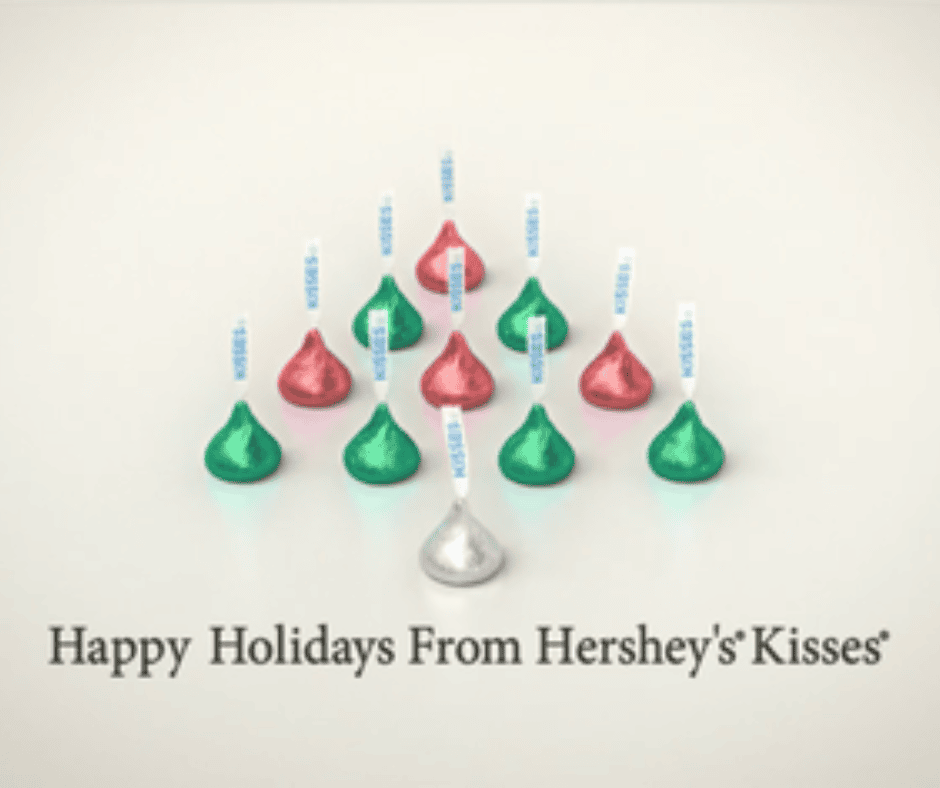
Nostalgia – Consumers love campaigns that remind them of family traditions, childhood memories, and simpler times. That’s why many people rewatch the same classic Christmas movies each year. A great example is Hershey’s timeless “Christmas Bells” ad—first aired in 1989—still beloved decades later for its simplicity and sentimental appeal.
Joy and Togetherness – These themes are everywhere during the holidays. Marketers can evoke feelings of connection, giving, and celebration through visuals, storytelling, and campaign design. In Apple’s 2018 short film Share Your Gifts, a young girl uses her Mac to create something special, which the wind accidentally shares with her town. The ad beautifully showcases how Apple products enable creativity and connection—without ever feeling like a hard sell.
Empathy and Gratitude – These emotions tie into the growing consumer expectation for brands to demonstrate corporate social responsibility. During the holidays, businesses can highlight charitable initiatives, community involvement, or acts of kindness to build goodwill. When companies show they care about more than profits, consumers respond with loyalty and trust.
The Psychology Behind It
This emotional approach works because people tend to mirror the emotions they see. Uplifting content makes viewers feel good about the brand presenting it. For example, a video of a happy family gathering may trigger personal memories of loved ones and comfort.
Familiar holiday imagery—snow, lights, laughter, and family—elicits feelings of safety and joy. When consumers see others giving, celebrating, or finding happiness through a product, they begin associating that product with those same feelings. The brain connects the act of buying with the pleasure of giving, reinforcing positive purchase behavior.
Turning Emotion into Conversions
To turn emotion into measurable results, brands should focus on storytelling rather than straightforward product promotion. Since logic accounts for only about 5% of decision-making, emotional narratives are far more powerful.
Use warm colors, cozy visuals, and music that evokes genuine sentiment. Pair this with personalized messaging—data-driven insights can help tailor emotional appeals to different audience segments. Above all, keep your tone and emotional focus consistent across all touchpoints. Consistency builds trust, which ultimately drives conversions.

Common Mistakes to Avoid

Today’s consumers are quick to spot inauthenticity. If your campaign feels manipulative or overly sentimental, they’ll tune out—or worse, lose trust.
To avoid these mistakes:
- Focus on authentic storytelling, not just sales.
- Don’t overdo the sentiment—too much sugar makes it feel fake.
- Recognize diversity in holiday experiences. Phrases like “Happy Holidays” are more inclusive than “Merry Christmas” and show awareness of your audience’s variety of traditions.
Authenticity and empathy go hand in hand. When in doubt, lean toward sincerity over spectacle.
Conclusion
Emotion is the true currency of holiday marketing—it's what transforms a campaign from transactional to memorable.
Remember:
- Emotion drives 95% of purchasing decisions.
- Emotional triggers like nostalgia, joy, and generosity increase engagement.
- People mirror the emotions they see in your campaigns.
- Personalized, consistent, and authentic storytelling builds trust and drives conversions.
- Avoid over-sentimentality or sales-only messaging, which can feel disingenuous.
Want to see how emotional marketing can boost your holiday conversions?
Contact a BRAINBOX representative today for a free audit of your current marketing strategy.