In a world saturated with digital noise, live environments have become strategic territory. Each year, more brands become involved in event marketing, aiming to take advantage of its efficacy and impact. However, there’s a huge difference between having a logo present and owning a moment. In 2026, event marketing isn’t about presence; it’s about participation.
When brands strategically align their presence with the audience and environment, they capture real attention, build trust, and drive measurable results. Done right, event marketing becomes a powerful channel for engagement, data collection, and long-term growth.
What is Event Marketing (and what isn’t)
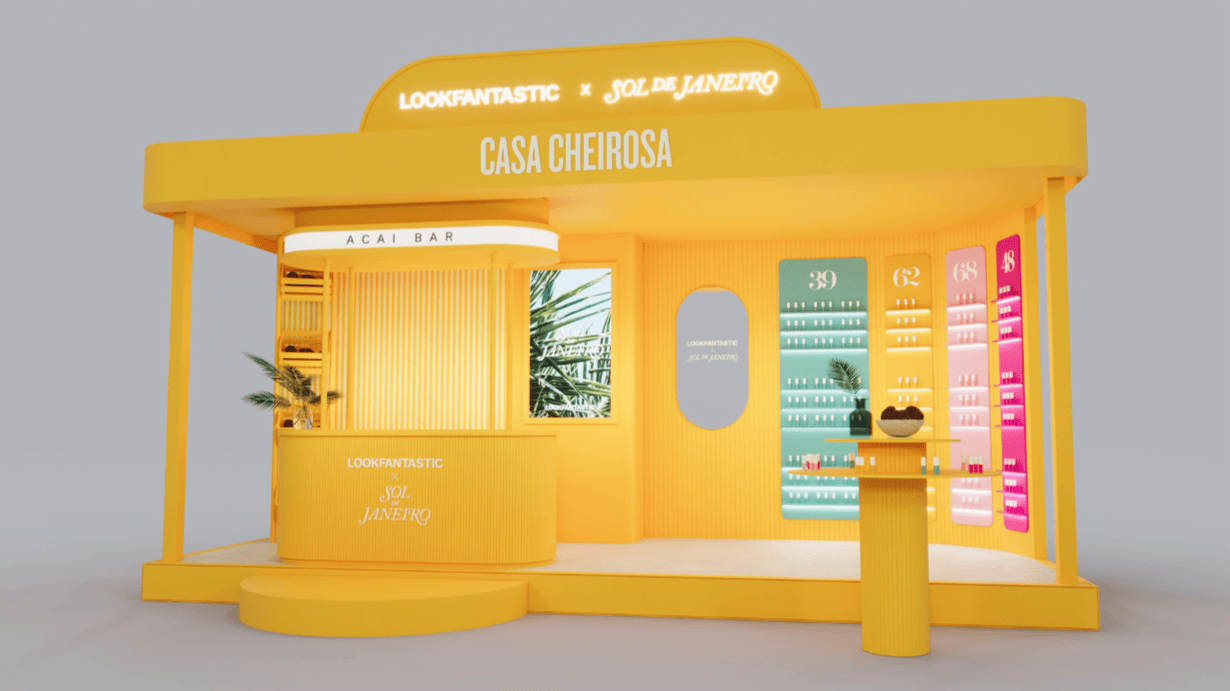
Event marketing is more than showing up; it’s about designing a strategic brand presence that fits the moment.
In 2025, Sol de Janeiro demonstrated exactly how powerful that can be at Coachella, a music festival held in a desert in California. Knowing that festivalgoers spend long days in the desert heat, they created Casa Cheirosa, an immersive space positioned as “the best-smelling spot at Coachella” and promoted on TikTok as an “oasis for the senses.” Instead of simply handing out perfume samples, they offered something immediately relevant: a chance to freshen up.
The strategic alignment of product, audience, and environment is what turned a brand presence into a destination. Had Sol de Janeiro relied on sponsorship signage, swag bags, or a staffed tent, attendees could have easily walked by without engaging. At live events, passive visibility is easy to ignore. By contrast, Casa Cheirosa reframed sampling as a solution to a real-time need. The brand didn’t just show up at Coachella; it understood the context, prepared for it, and positioned its product as part of the experience itself.
Why Event Marketing Works in 2026
In-person activations naturally captivate attention. Unlike digital ads, there’s no skipping, scrolling, or competing with an algorithm; the audience is physically present and engaged.
Once attendees enter the experience, they’re immersed in a branded environment designed to capture their focus and shape their experience.
Additionally, context builds trust. When a brand shows up in an environment where people are already emotionally invested, it benefits from the credibility and energy of the moment. Instead of interrupting attention, the brand becomes part of the experience, and that proximity turns awareness into trust.
Lastly, event marketing creates shared experiences which can multiply reach. User-generated content (UGC) is a powerful that many brands strive to incorporate into their strategy. In-person activations naturally create UGC as people share their experiences by word of mouth and online.
What Successful Event Marketing Looks Like
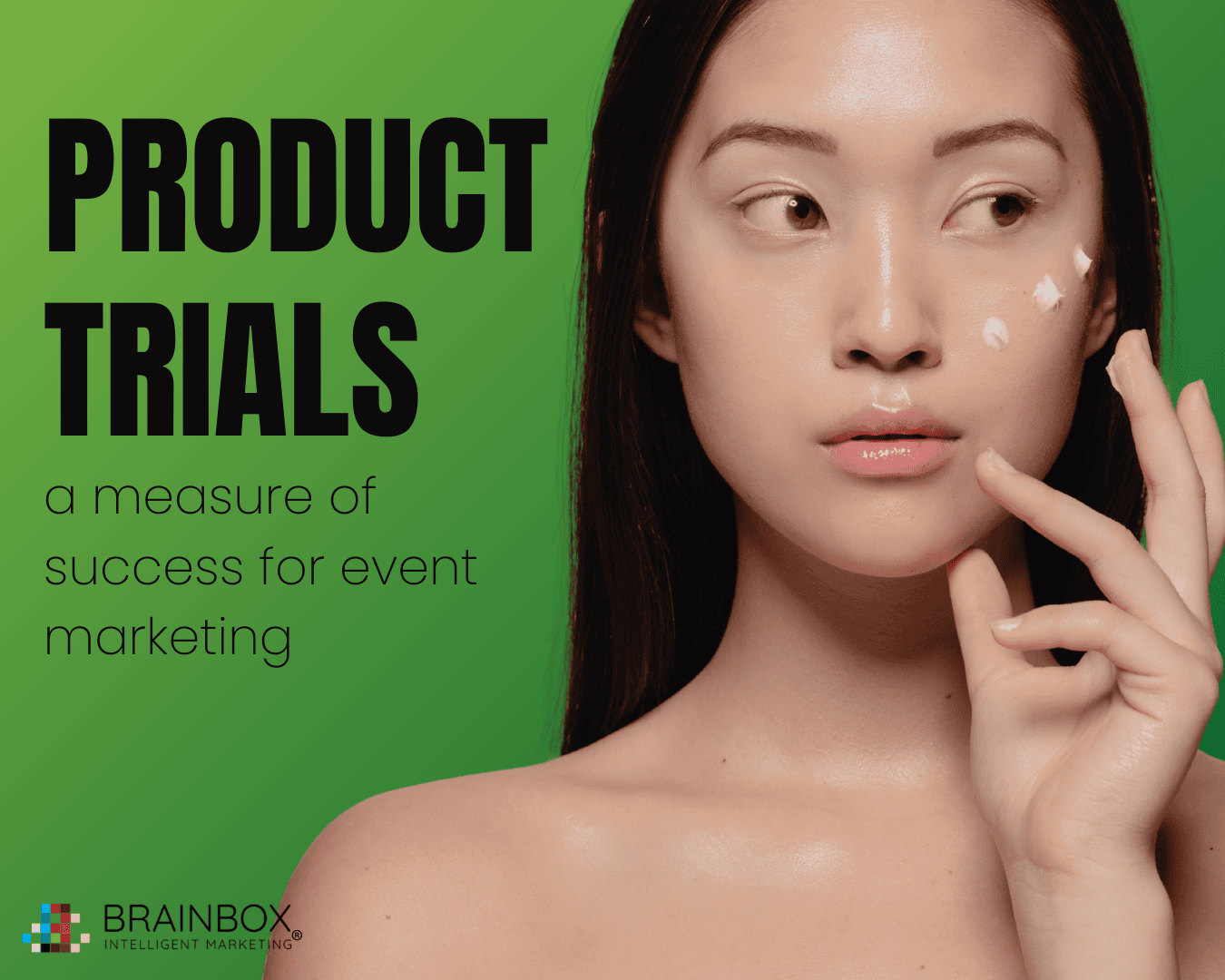
One of the most important steps in planning any business strategy is defining what success means for your brand. Here are a couple examples of what success can look like in event marketing:
- Increased foot traffic
- First-party data capture
- Product trial
- Brand recall
- Community association
- Conversion lift
Without clear objectives, it’s easy to confuse activity with impact. The most effective event strategies start with measurable goals tied directly to business outcomes. When these success metrics are defined upfront, event marketing can become a strategic driver of growth.
How to Know if Event Marketing is Right for Your Brand
Experiential activations can support a wide range of brands, but they are especially effective when your goal is to build trust rather than simply generate impressions. Moreover, if you’re looking for direct consumer feedback, meaningful interaction, or stronger brand affinity, in-person experiences create space for real conversations and authentic engagement. They’re also powerful tools for launching or repositioning a product, giving audiences the opportunity to interact with it in hands-on, memorable ways.
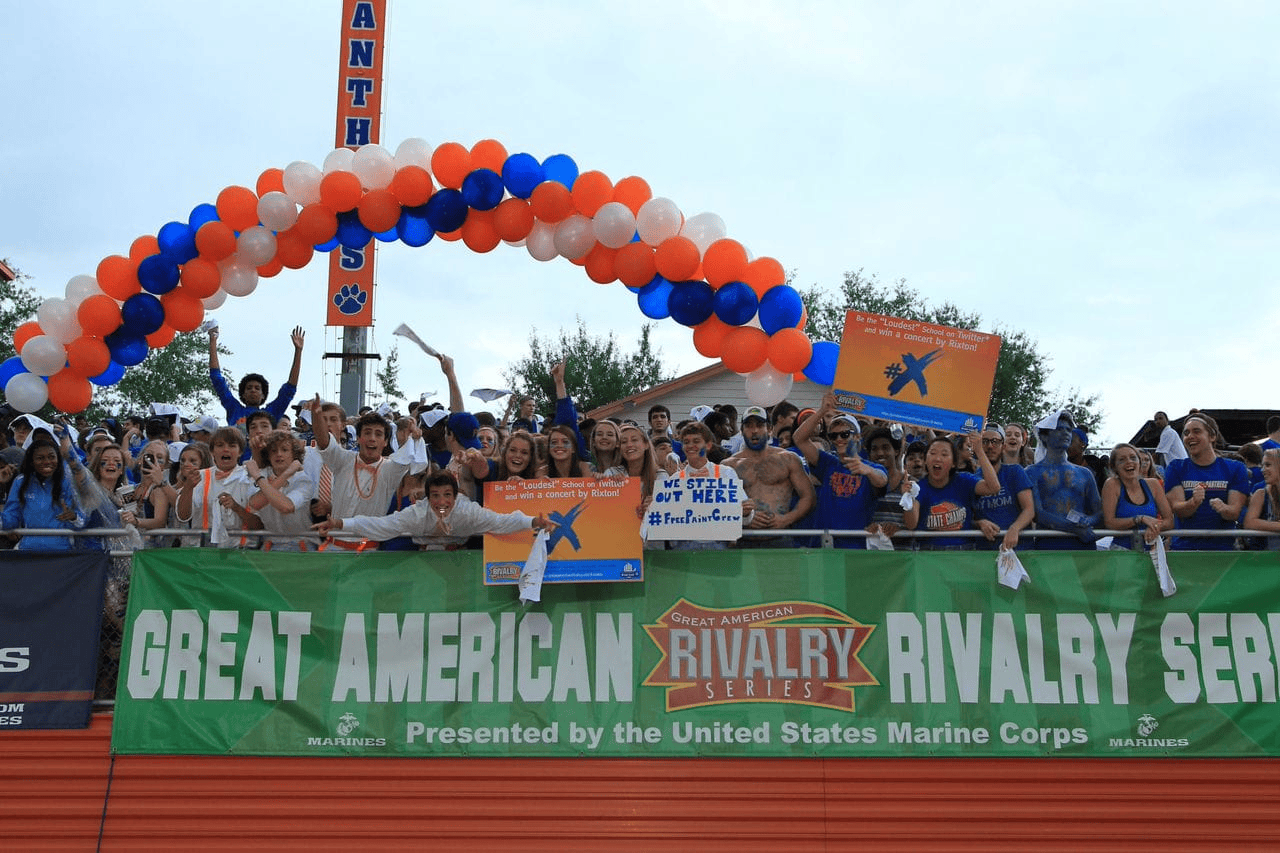
For many companies, recognizing the value of event marketing is the easy part, but seamless execution is a challenge. From logistics and staffing to creative design and measurement, successful activations require thoughtful coordination. Agencies like BRAINBOX Intelligent Marketing help bring these in-person experiences to life without overextending internal teams. Through established activation platforms like the Great American Rivalry Series (GARS), USMC Sports Leadership Academy (USMC SLA), and the Fitness Challenge, BBIM delivers customized, turnkey event marketing programs designed to engage the right audience in the right environment.
Conclusion
Event marketing is most effective when it’s intentional. It requires more than visibility; it requires understanding the audience, the environment, and the objective behind showing up in the first place. When those elements align, brands move from simply being present to becoming part of the experience.
In a marketing landscape crowded with digital noise, live environments offer something different: focused attention, authentic interaction, and measurable impact. The brands that approach event marketing strategically don’t just generate impressions. They build relationships, gather insights, and create momentum that extends far beyond a single day. When done well, event marketing isn’t just a moment on a calendar. It’s a meaningful channel that strengthens trust, drives action, and supports long-term growth.
Ready to turn your next event into a strategic advantage? Connect with a BRAINBOX representative and start building an experience your audience will remember for years.