In 2026, most lead generation advice focuses on digital channels such as social media, search engines, and website traffic. While these tactics can be effective, relying on them alone can cause businesses to overlook other ways such as in-person brand experiences. The brands that generate the strongest leads understand that standing out in today’s crowded marketplace requires more than an online presence. Many of the most valuable customer relationships begin with a referral, conversation, or memorable brand event. The key is to build a lead generation system that creates meaningful touchpoints across multiple channels and makes it easy for interested prospects to engage. When executed successfully, a strong lead generation strategy attracts the right audience, builds trust, and guides prospects naturally toward conversion.
Step 1: Know Your Audience
Marketing is all about understanding and anticipating your customers’ needs. However, when trying to get people to convert to leads, you need to know your audience beyond simple demographics. To build a detailed persona, ask yourself questions like:
- What are their challenges?
- What are their goals?
- What are their wants and needs?
- What motivates them to make a purchase decision?
- Who influences their decisions?
- How do they spend their free time? (online or in-person)
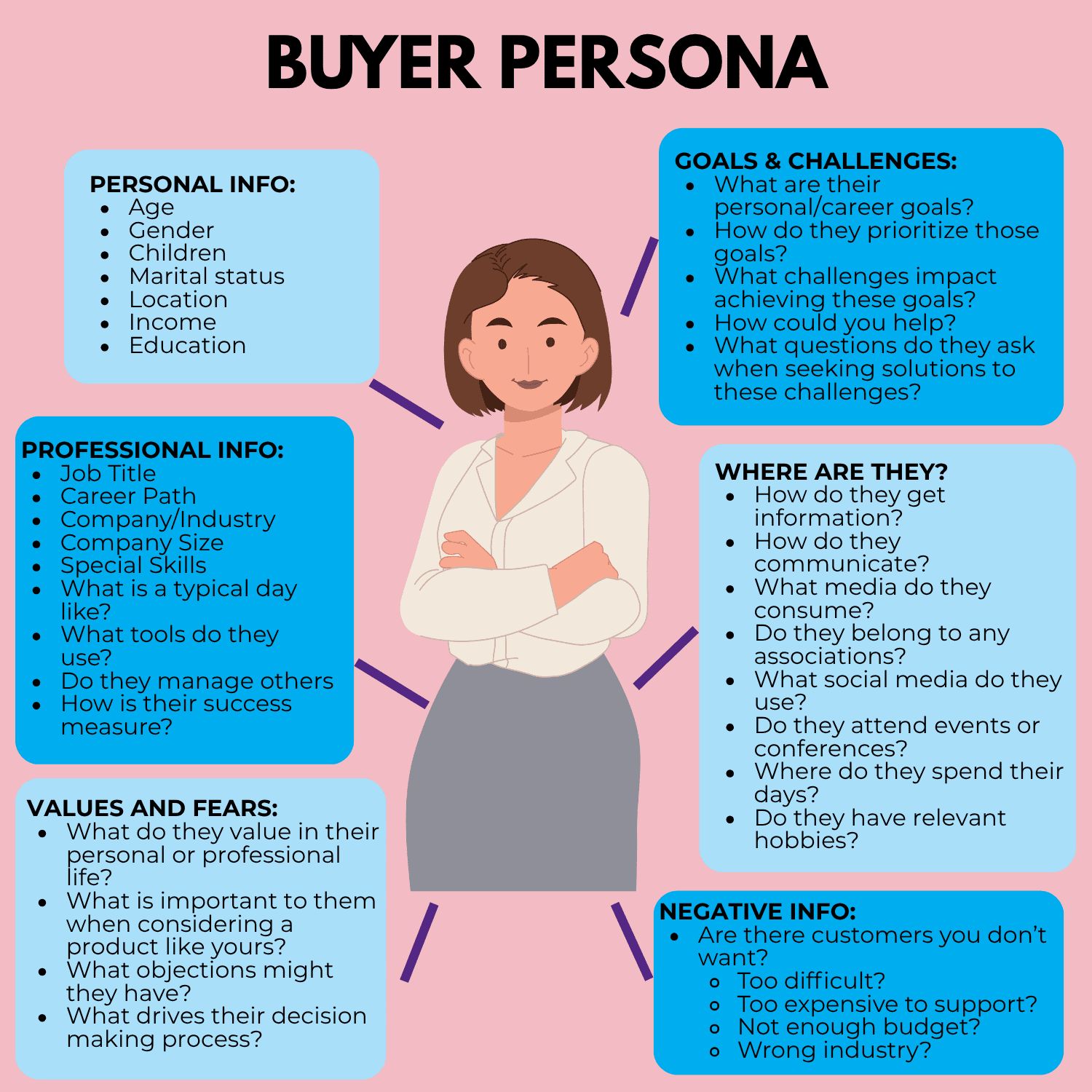
Much of this information can be collected by reviewing customer data online or analyzing trends amongst your best clients. You can also collect market research through agencies like BRAINBOX to gather responses specific to your brand/product. The better you understand what motivates your audience, the easier it is to create meaningful touchpoints.
Step 2: Focus on Quality
Instead, focus on attracting and qualifying prospects who are most likely to convert. Indicators such as budget, need, timing, and alignment with your offerings can help separate high-potential leads from those who are less likely to move forward.
Remember that 50 leads with a high confidence level can outperform hundreds of contacts with little interest in buying.
Step 3: Create Opportunities for People to Engage
Even the strongest brands won’t generate leads if people don’t have a clear way to express interest. Think of lead generation less as convincing someone to buy and more as creating opportunities for them to want to learn more. The more seamless that process is, the more likely people are to take the next step. Here are some ways your brand can naturally create spaces for customers to engage:
Digital Opportunities
- Email newsletters
- Webinar registrations
- Free consultations
- Product demos
In- Person Opportunities
- Industry events & trade shows
- Community sponsorships
- Educational workshops
- Networking events
Relationship Driven Opportunities
- Referral programs
- Strategic partnerships
- Customer introductions
- VIP customer events
Step 4: Build a Follow-Up Process
Generating interest is only one part of the process. What happens afterward often determines whether a prospect moves down the sales funnel as a customer or loses interest. Many businesses struggle with consistent follow-up, but having a structured workflow can help maintain continuity in the conversation.
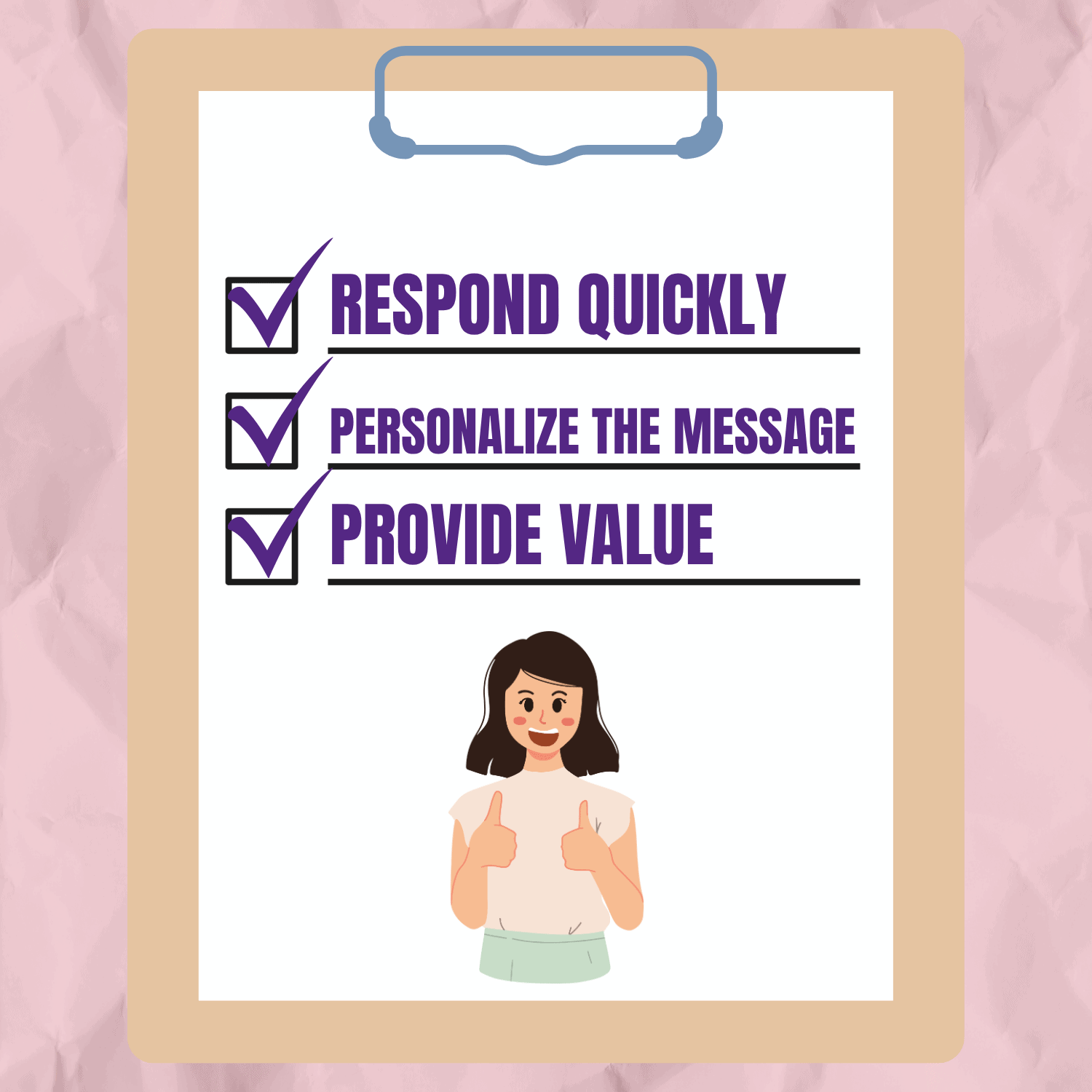
Timely responses are especially important when someone shows interest. Prospects can easily lose momentum if their questions go unanswered for too long. Responding promptly signals attentiveness and helps keep the conversation active.
Moreover, personalizing the message can improve the effectiveness of outreach. Most people quickly tune out messages that feel generic or mass-produced. Referencing a prior conversation, acknowledging an event where you connected, or addressing a specific need helps your message stand out. These details provide context, build credibility, and make the interaction feel more relevant.
Follow-up should also focus on providing value rather than immediately pushing for a sale. Sharing relevant resources, answering questions, and offering additional insight helps position the brand as a useful resource throughout the decision-making process.
Step 5: Refine and Repeat
Lead generation is not a campaign with a fixed timeline, but rather an ongoing process. Strategies that perform well at one point in time may not deliver the same results later. As audiences shift and new channels emerge, consistent re-evaluation and evolution are necessary.
Over time, incremental improvements can have a significant impact. Refining messaging, testing new engagement opportunities, improving follow-up systems, and strengthening high-performing channels all contribute to better outcomes. Using A/B testing and other comparison tools, you can determine which tweaks are necessary for your brand.
Conclusion
Ultimately, success is reflected not just in the number of leads generated, but in the number of meaningful relationships that lead to long-term business growth. Consistency is key to helping convert leads. This includes consistent messaging, touchpoints, follow-ups and more. Agencies like BRAINBOX Intelligent Marketing can help your business understand your audience and create opportunities for engagement, without adding extra work to internal teams. Reach out to a BBIM representative to maximize your lead generation.