Most product launches don’t fail because of bad products; they fail because of poor execution.
Many entrepreneurs and founders believe, “If the product is good enough, it will sell itself.” However, great products get ignored every day, simply because they get lost in oversaturated markets. A successful product launch is a thoughtful, coordinated process that begins long before launch day. With decades of experience executing product launches, BBIM has developed a proven 5 step guide to success:
Step 1: Start with Clear Positioning
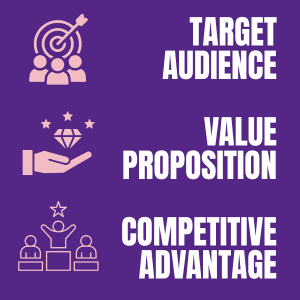
Before you start advertising, identify a couple of fundamental details about your product. Positioning is usually broken down into three components: Target Audience, Value Proposition, and Competitive Advantage.
To start, clarify your target audience based on the demographics, psychographics, and behaviors of people who need your product. We recommend creating a persona to truly grasp your audience. Next, identify how your product solves an issue for consumers. Make sure you can explain the gap in the market that it fills and why consumers will need it. Lastly, describe what makes your product better than it’s competitors. This can be a physical feature, the cost of the product, an ability to appeal to a niche audience, etc.
Strong positioning is important at any point in a product’s life cycle. For example, Milk Duds were a failing candy because it took so long to chew through the caramel. However, the marketing team repositioned the candy as a “longer lasting experience.” By doing so, they took a once-negative feature and turned it into their competitive advantage.
Step 2: Build Momentum
Launch day should be a midpoint, not a starting line. By the time your product goes live, your audience should already be aware, interested, and ready to act. Think about how artists tease new music before it releases. The anticipation drives engagement, and the bigger the buildup, the better the results.
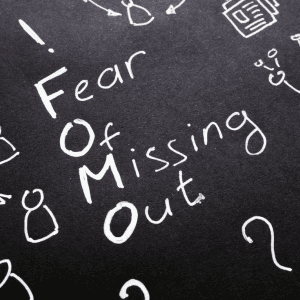
For a product launch, effective buildup tactics include:
- Teaser content on social media that sparks curiosity
- Email lists or waitlists to build exclusivity
- Early access or beta users who create initial buzz
- Strategic partnerships that can expand reach
Increasing momentum creates a sense of Fear of Missing Out (FOMO) in your audience that can directly affect buying behavior.
Step 3: Align Messaging Across Every Touchpoint
Everyone enjoys a quirky tagline or clever campaign idea. However, they don’t belong as a part of a product launch. During this critical period, consistent messaging will beat creative copy every time.
This is because your audience isn’t analyzing your communication as deeply as you are. Most of the time, they are skimming emails, scrolling past social media ads, and catching pieces of your messaging. If the pieces don’t connect, they won’t remember it.
Make sure your copy aligns across every touchpoint:
- Website
- Social Media
- Email Campaigns
- Sales Conversations
If you ever have a line from a commercial stuck in your head, it’s because it was simple and repeated. Aim for your marketing to be the same.
Step 4: Create an Experience, Not Just an Announcement
At BBIM, we specialize in creating immersive brand experiences (read our blogs about experiential and event marketing). Therefore, we’ve seen firsthand how powerful they are.
When you bring your audience into a curated moment, there’s an opportunity to build connection, loyalty and word of mouth momentum. Whether it’s a live event, a social campaign, or an interactive rollout, the goal is to make your audience feel involved, not just talked to.
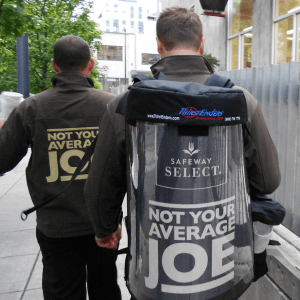
Here is a BBIM favorite:
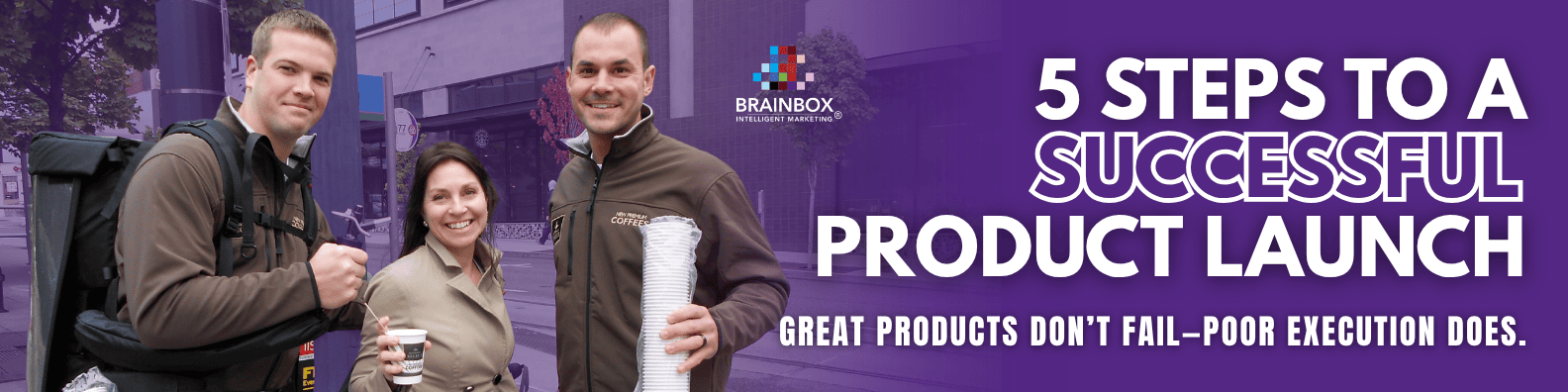
When Safeway launched a new coffee brand called Safeway Select, they relied on BBIM to create a big moment for them. So, after doing some research, we hit the streets of San Francisco, Portland, and San Diego. Equipped with dispenser backpacks, our team poured fresh coffee directly to early morning commuters. These thousands of samples led to increased sales, and our “This is Not Your Average Joe” advertising campaign earned significant media attention, pushing the product to customers.
Step 5: Use Social Proof and Early Validation
The Safeway Select campaign was also successful because people trusted what they experienced and shared it with others. Consumers could try the coffee, see if they like it, and then purchase it at a discounted price, creating immediate social proof. That firsthand validation, combined with word-of-mouth, drove results far beyond traditional advertising.
Besides guerilla marketing tactics, you can achieve social validation in other ways such as:
- Testimonials from early users
- Case studies or pilot programs
- Influencer endorsements
- Strategic Partnerships
While only a small percentage of people consider themselves early adopters, their opinions heavily influence the majority. Earning their trust early can increase sales exponentially.

Conclusion
Successful product launches are deliberately executed, not just a hope. With a strategic, intentional approach, brands can define their audience, build anticipation, and deliver clear, consistent messaging that drives action. When paired with immersive experiences and strong social proof, a product launch will create a lasting impact on your customers.
The best launches feel natural because of the work behind them to ensure a great outcome. Of course, not every business has the time, resources, or expertise to execute a great campaign. That’s where a partner like BBIM can come in. Need help launching a product? Let’s make it happen.