
2026 isn't just about bringing new marketing trends, it's about rewriting the rulebook. Brands that adapt now will thrive, and the rest will struggle to catch up. Because of shifts in technology, this new year will be a turning point for how consumers discover, trust, and buy from brands. AI and other innovations have reshaped attention spans, expectations, and buyer behavior, so brands can't solely rely on previous years' strategies. For example, posting consistently on social media no longer converts like it used to. Here are 5 trends every brand should watch.
1. The Power of Emotion in Consumer Decision-Making
In early 2023, Chat GPT was starting to become popular. Now, Artificial Intelligence (AI) is moving beyond automation and becoming integrated into strategy, ideation, and creative collaboration. Brands are using AI for several things, such as scaling content production without losing brand voice and predicting customer behavior and optimizing campaigns in real time. However, as AI develops, so does the need for a human behind the computer. People are essential for maintaining the authenticity that today's consumers crave.
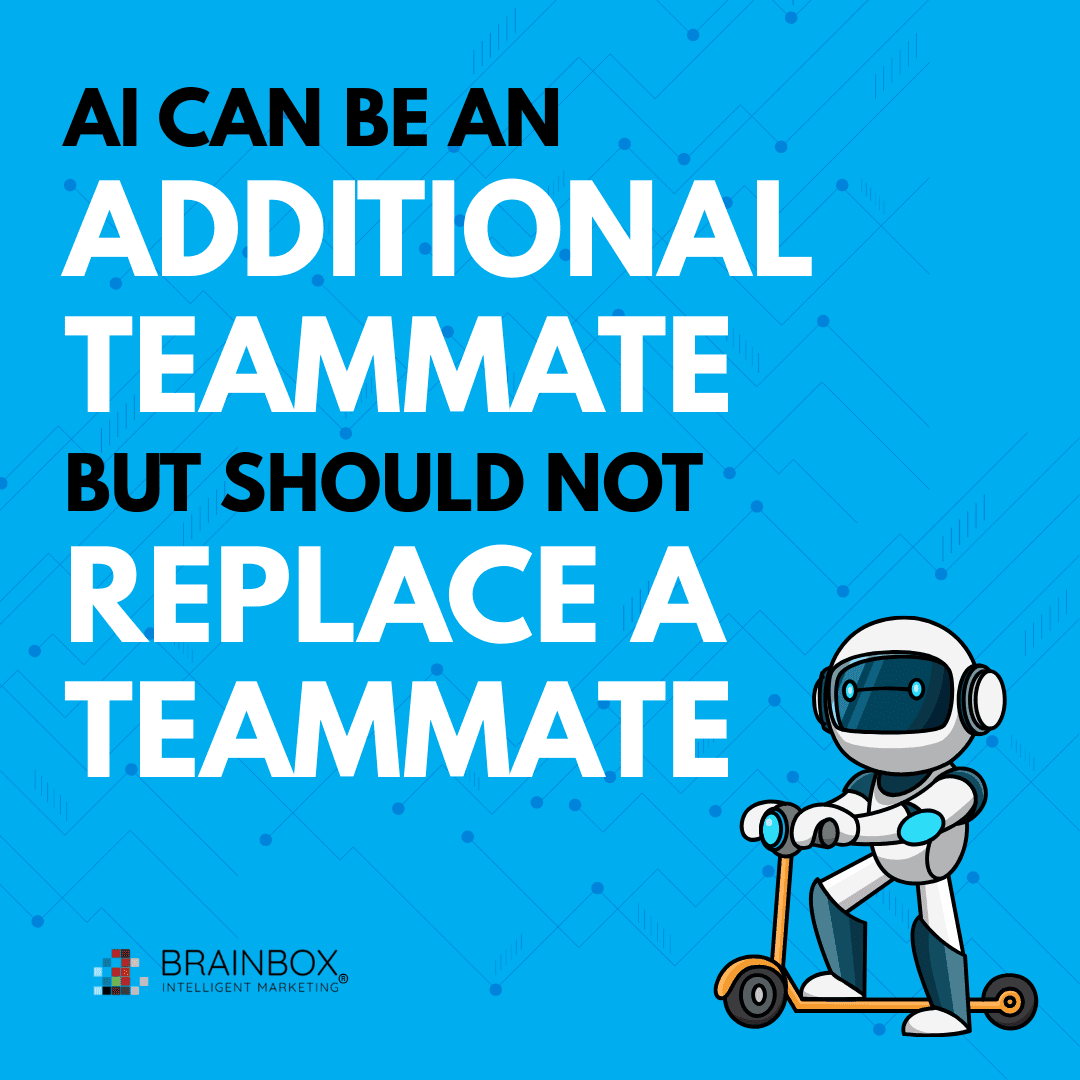
Moreover, consumers care about companies using AI ethically; Artificial Intelligence can be an additional teammate but should not replace teammates. For example, Duolingo's Gen Z social media managers created content that had the language learning app seeing unprecedented numbers. The internet was in love with Duo, the owl mascot. That is, until they laid off around 10% of the staff because of the efficiencies AI created. When used ethically and correctly, AI can create a competitive advantage for companies by enhancing human creativity, improving efficiency, and strengthening customer trust.
2. Evolution of Search and Discovery
Searching is no longer just about keywords and rankings as traditional discovery methods are declining. With AI assistance, social platforms, and voice search, it’s about how, where, and when people discover information. Microsoft Advertising reported a 357% spike to websites referred to by AI, and companies can capitalize on this traffic by optimizing content on websites and social media.

While many traditional SEO methods like meta data and internal links are still useful, AI picks pieces of content to rank, rather than a whole page. Content should use conversational key words and natural language and be structured in a digestible way. Image and video searches are becoming primary discovery tools. Instagram has a feature where users can tag products in their pictures, and viewers can click on those links to buy the items directly. Brands that adapt to this new discovery landscape early will be the ones that stay visible, relevant, and chosen.
3. Social Media Becomes the New Storefront
Speaking of Instagram's product tags, social media platforms are evolving into full-funnel shopping destinations. In-app checkout, live shopping, and shoppable videos make it easier than ever for consumers to see something they like and buy it in a matter of seconds. Because of this, online creators have become trusted salespeople, not just promoters. However, transparency, reviews, and social proof are still essential to cultivating trust in an audience as disingenuity is the fastest way to lose customers.
4. Experience-First Marketing Wins
In many cases, people won’t remember what brands say, but they will remember how those brands made them feel. As a result, consumers prioritize brands that create moments, not just messages. Pop-up events, brand activations, and interactive campaigns are becoming more common as more companies partake in experiential marketing. Successful activations will blend in-person and digital touchpoints, similar to how the Great American Rivalry Series created a trending hashtag that was prevalent online and at several football games. Learn more about this campaign that generated 1.5M tweets in 2 weeks.

Additionally, strong marketing experiences result in user-generated content, which can boost a brand immensely at a fraction of the cost of traditional advertising. This is why companies are shifting their Key Performance Indicators from qualitative metrics like impressions to qualitative measures like engagement depth and memorability. Brands that invest in meaningful, memorable experiences will build deeper loyalty and long-term impact than those relying on traditional advertising alone.
5. Personalization with Privacy in Mind
Despite growing demand for personalization, many consumers still prioritize privacy and control over their data. While these expectations can seem difficult to balance, brands are finding smarter ways to meet both. First-party data is becoming one of the most valuable marketing assets, as the era of buying third-party lead lists fades and is replaced by direct surveys and authentic customer interactions. Consumers also expect greater transparency in how their data is collected and used, with platforms like Facebook allowing users to view and manage their data. This transparency creates a value exchange, where customers are more willing to share information when they clearly understand how it benefits them. In 2026, the brands that win will be the ones that treat trust as their most valuable data asset.
Conclusion
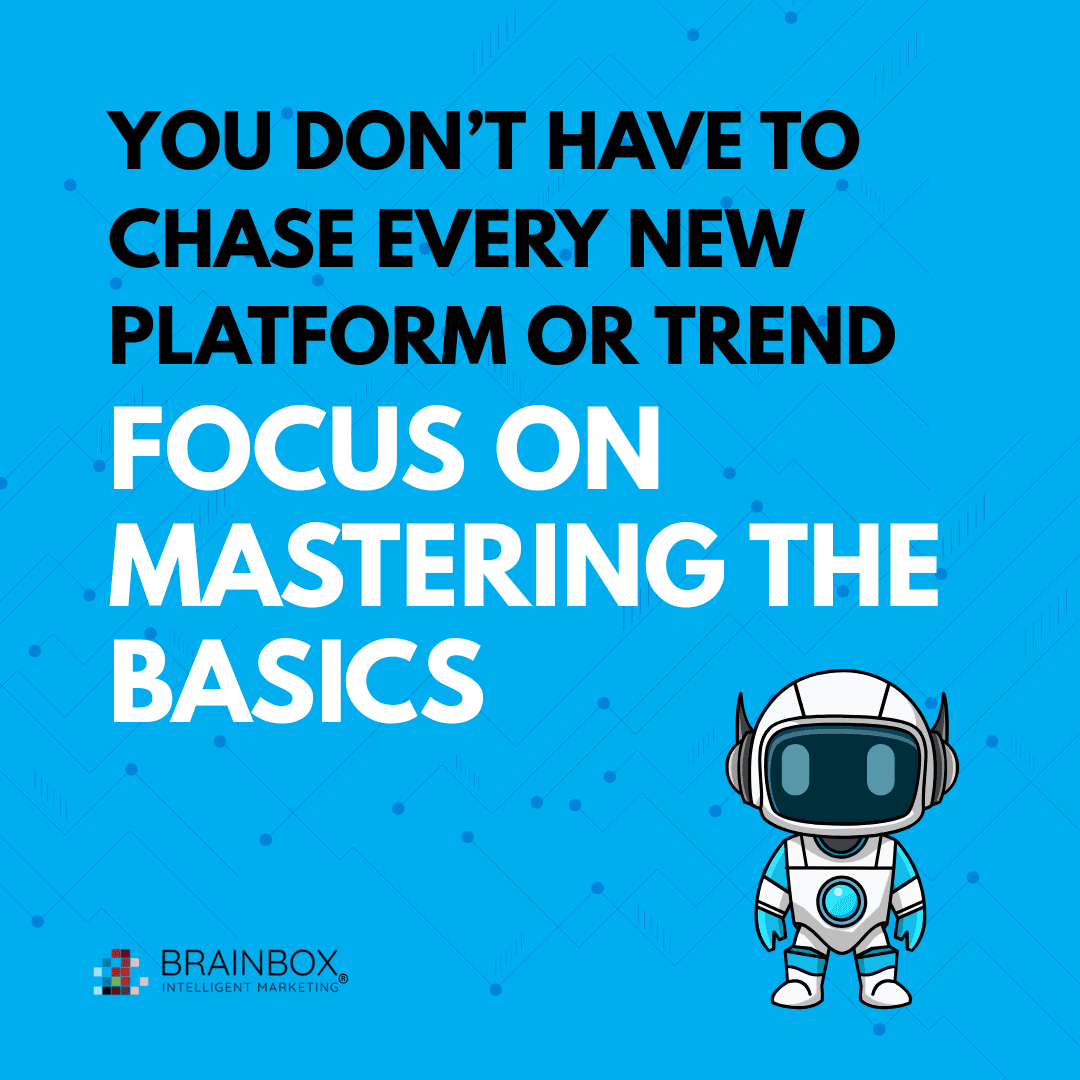
Marketing in 2026 isn’t about chasing every new platform or trend; it’s about mastering the fundamentals in a more advanced world. Brands that win will be the ones who:
- Use AI responsibly to support (not replace) human creativity
- Show up where their audiences actually discover content
- Create meaningful, memorable brand experiences
- Build trust through transparency and ethical data practices
The companies that start adapting now won’t just keep up with change, they’ll set the pace for it. Marketing experts like BRAINBOX Intelligent Marketing help companies navigate the ever-evolving marketing landscape and keep brands performing their best. Contact a BBIM representative today to get started on your 2026 plan!